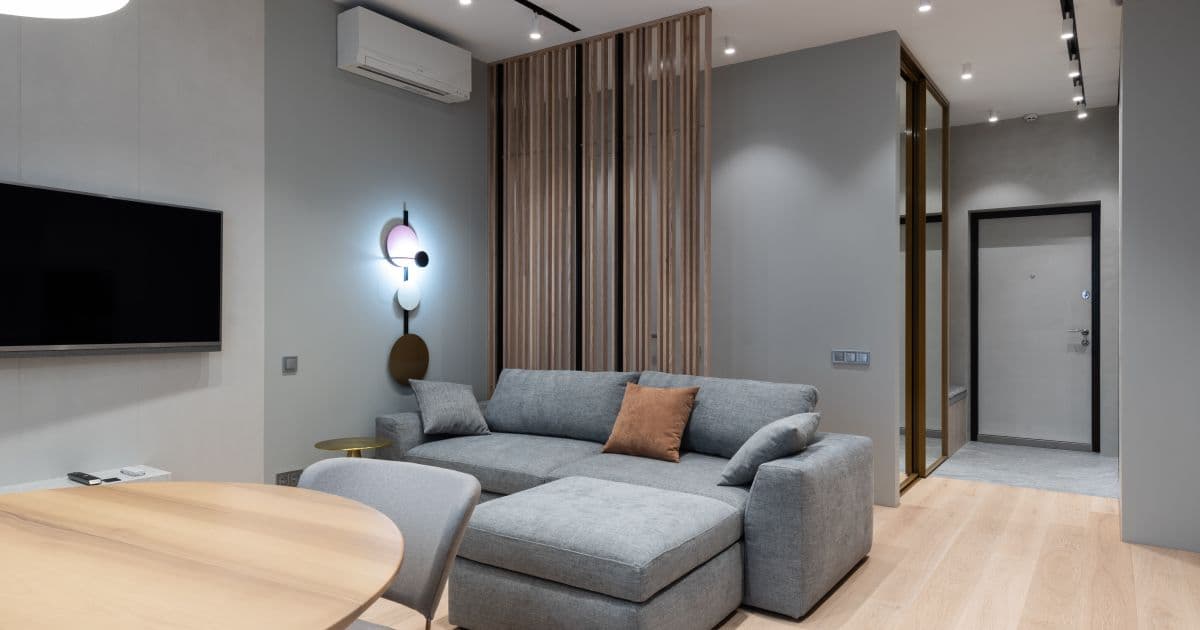
Housing is the second biggest decision in any travel assignment, behind the contract itself. Get it right and your stipend covers rent with money left over; get it wrong and you're paying out of pocket every week, scrambling to break a lease, or sleeping on someone's couch. This guide walks through the housing options first-time travelers actually use, what each one costs, and how to avoid the tax trap that surprises a lot of new travelers.
How travel housing pay works: the stipend model
At Luvo, housing works on the stipend model — the housing dollars come to you, you pick where you live, and whatever you don't spend on rent stays in your pocket.
That control is worth real money. If your stipend is $1,800/month and you find a furnished room for $1,200, you keep $600 — tax-free. The trade-off is that the search is yours to run — which is exactly what the rest of this guide is for. Luvo travelers also get housing discounts to stretch the stipend further — ask your recruiter what's available for your assignment.
Furnished Finder
Furnished Finder is the largest marketplace built specifically for traveling clinicians. Hosts list furnished, month-to-month rentals — usually rooms in homes, in-law suites, or whole apartments — at traveler-friendly rates. Listings include photos, the host's preferences (pets, smoking, length of stay), and a TravelerVerified badge for hosts who've been used by travelers before.
- Search by city or hospital name — many travelers use the hospital filter to find listings near their assignment.
- Reach out as soon as your assignment is confirmed. Good listings near major facilities go early — but plenty of travelers line up housing on a couple weeks' notice too.
- Always video tour before sending a deposit. Catfishing exists; verified listings are safer.
- Read the host's cancellation terms before paying. Some require non-refundable first-month rent.
Extended-stay hotels
Extended Stay America, Sonesta ES Suites, Residence Inn, and Home2 Suites all have weekly and monthly rates that are competitive with short-term rentals — especially in mid-sized cities. The advantages: no lease, weekly housekeeping, included Wi-Fi and cable, a kitchenette, and you can extend or end your stay easily.
The disadvantage is that the rates can blow your stipend in expensive cities like NYC, Boston, or San Francisco. They shine for assignments in cities where Furnished Finder is thin or where you want to scout the area before signing a longer-term lease.
Monthly Airbnb stays
Airbnb hosts list "monthly stay" discounts of 20–60% off nightly rates. For 4–13 weeks, monthly Airbnb is often within 10–20% of Furnished Finder pricing, with the safety net of Airbnb's payment protection and review system. Filter by "Monthly stay" and look for hosts with at least 10 reviews from longer stays.
The 30-day rule that saves you money
Staying in one place for more than 30 days doesn't threaten your stipends — tax-home status is governed by the 12-month rule and whether you maintain a permanent residence. What 30 days does change: many states waive hotel occupancy taxes on stays longer than 30 consecutive days, which can cut 10–15% off an extended-stay bill. Booking a hotel for a full contract? Ask how their long-stay rate and tax exemption work.
Read the travel tax guideTraveler-specific corporate housing
Companies like Travelers Haven specialize in fully-furnished apartments with month-to-month flexibility, built for travel clinicians. Pricing is higher than Furnished Finder but lower than full-service corporate housing. The pitch is consistency — you can rebook in different cities through the same company without re-vetting hosts.
Facebook groups and Reddit
Most major travel-heavy facilities have a private Facebook housing group (search "[city] travel healthcare housing"). These are usually tight communities — travelers post their own listings as they leave assignments, and you can often pick up a turnkey furnished apartment from someone whose contract is ending. The r/TravelTherapy subreddit has similar housing-share threads.
What to budget per city tier
Stipends are sized to the assignment's location within federal per-diem guidelines, but real rents don't always follow. The general pattern:
- Major metros (NYC, SF, LA, DC, Boston): the most expensive tier — a private studio or 1BR can absorb most of a housing stipend, which is why many travelers opt for a furnished room or shared housing here.
- Mid-sized metros (Denver, Nashville, Phoenix, Charlotte): meaningfully cheaper — furnished rooms and 1BRs tend to leave more of the stipend in your pocket.
- Smaller cities and rural assignments: usually the lowest rents, and often where travelers save the most.
- High-cost vacation markets (Hawaii, Alaska, ski towns): rents can outrun stipends entirely — price out housing before you sign.
Practical tips from experienced travelers
- Arrive 2–3 days before your start date to scout, set up utilities (if not included), and learn your commute.
- Always confirm parking — a garage spot is often worth the extra cost.
- Ask the host how heat/AC works — old radiators in winter or window units in summer can change your monthly utility bill by hundreds.
- Verify cell service in the unit before you sign. "Great Wi-Fi" doesn't help when your phone won't pick up calls from the hospital.
- Always document the unit's condition with photos when you move in.
Housing gets easier every assignment. Your first one is the hardest because you don't know the patterns yet — start looking as soon as your assignment is confirmed, line up a backup option, and don't be afraid to start in an extended-stay hotel for the first few weeks while you search in person. Once you've done one search, the next dozen take a fraction of the time.